SGE Short Answer Summary
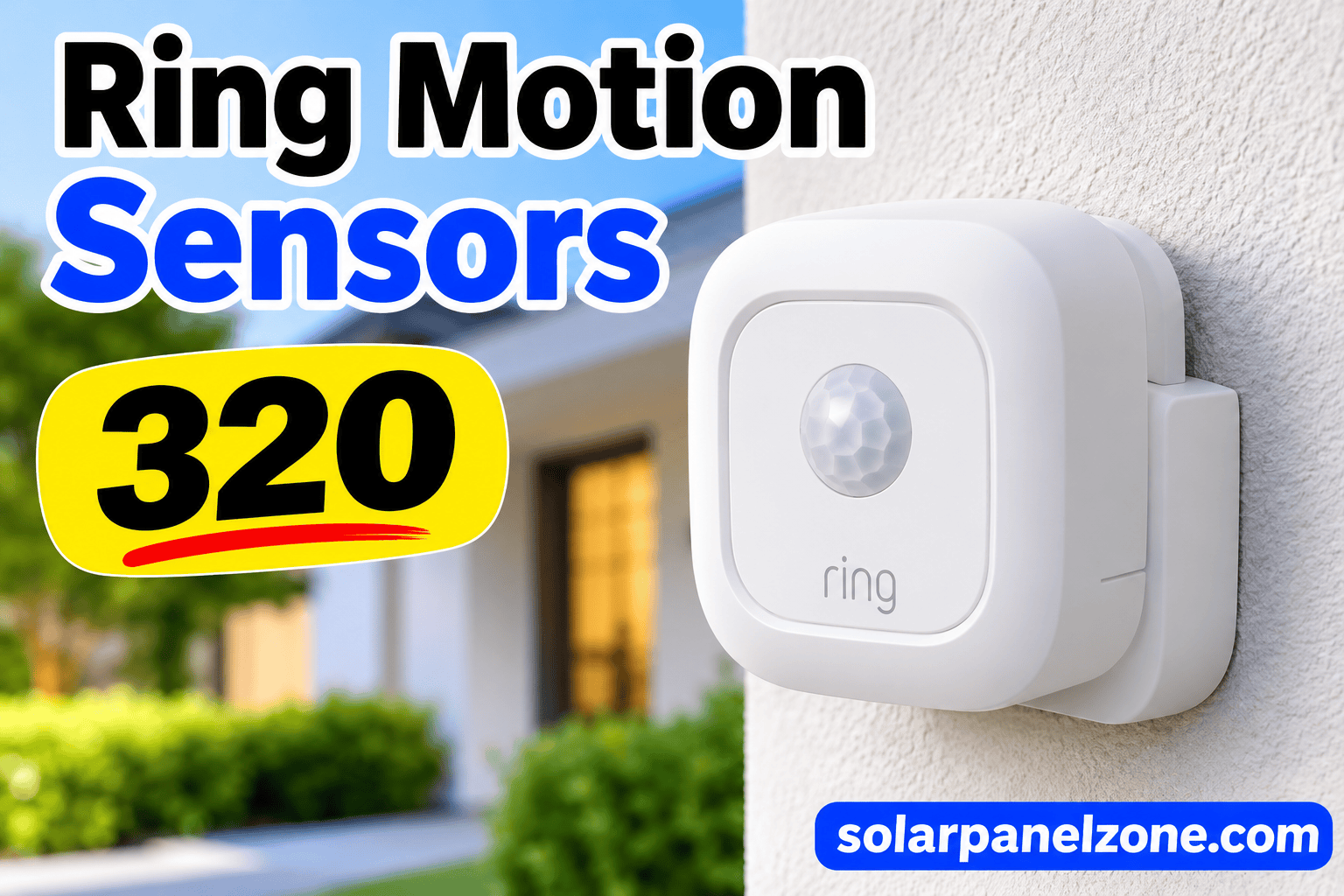
Ring motion sensors are battery-powered Z-Wave detectors (Ring Alarm Motion Detector, 2nd Gen) that alert your phone when your armed system senses indoor movement. They need a Ring Alarm Base Station, run on two AA batteries, and are not for outdoor use. (≈45 words)
Table of Contents
- What “ring motion sensors 320” means
- What a Ring motion sensor 320 is
- Why it matters and who it’s for
- How it works
- Types and variants
- Specs at a glance
- Buying and decision framework
- Pricing and the “Ring Motion Sensors 320” budget
- Step-by-step setup
- Placement guide by room
- Pros and cons
- Common mistakes and warnings
- Alternatives
- Local and regional differences
- Checklists
- Entity glossary
- People Also Ask FAQs
- AI Overview trigger Q&A
- Conclusion and action steps
- Suggested internal links
Introduction
You searched “ring motion sensors 320” because you want to know one of three things: what to buy, what it will cost, or how to make it work. This guide answers all three.
In short: Ring Motion Sensors 320 indoor motion sensor is a small, cheap add-on that only works as part of a Ring Alarm system. The right number for most homes is one Ring Motion Sensors 320 per main entry zone, not one per room.
Section summary: Treat “Ring Motion Sensors 320” as a budget or bundle size. The sensor itself costs a fraction of that.
1. What “ring motion sensors 320” Means
There is no official Ring Motion Sensors 320 product named “Ring Motion Sensors 320.” Shoppers usually mean one of these:
- A ~$320 total budget for a starter Ring Motion Sensors 320 Alarm kit plus extra motion detectors.
- A bundle of Ring Motion Sensors 320 (for example, a base station kit plus several detectors).
- A retailer SKU or listing code that happens to contain “Ring Motion Sensors 320.”
Expert tip: Always verify the exact model number on the box. The current Ring Alarm Ring Motion Sensors 320 Detector 2nd Gen uses model code 4SP1SZ-0EN0 (1-pack) and 4SP2SZ-0EN0 (2-pack) in listings.
2. What a Ring Motion Sensor Is
A Ring motion sensor is a passive infrared (PIR) detector. It senses heat movement across its field of view and reports to the Ring Motion Sensors 320 Alarm Base Station over Z-Wave.
It is a security-system accessory, not a standalone gadget. Without a Ring Motion Sensors 320 Alarm Base Station (or Ring Alarm Pro), it does nothing.
Don’t confuse it with:
- Ring Motion Sensors 320 Floodlight Cam / Spotlight Cam: outdoor cameras with built-in motion detection.
- Ring Motion Sensors 320 Video Doorbell: camera-based motion alerts at the door.
- Ring Motion Sensors 320 Alarm Motion Detector: the indoor Z-Wave Ring Motion Sensors 320 this guide covers.
3. Why It Matters and Who It’s For
Door and window contact sensors only trigger when an entry point opens. A motion detector covers the gap: a person already inside, a broken window you didn’t wire, or a glass-break entry.
Best for:
- Homeowners and renters with an existing Ring Motion Sensors 320 Alarm system
- Open-plan living areas and hallways with multiple entry paths
- Garages attached to the home (if temperatures stay within spec)
Not ideal for:
- Outdoor areas (indoor-rated only)
- People without a Ring Motion Sensors 320 Alarm Base Station and no plan to buy one
- Very large rooms needing wide coverage from one point
4. How It Works
- The PIR lens detects a change in infrared heat as a person moves.
- The Ring Motion Sensors 320 sends a Z-Wave signal to the Base Station.
- If the system is armed, the Base Station triggers an alert and notifies your phone through the Ring Motion Sensors 320 app.
- Depending on your plan, monitoring services can respond.
Why it matters: Z-Wave is low-power and sits on a different frequency from Wi-Fi, so heavy Wi-Fi traffic does not crowd the sensor’s link.
5. Types and Variants
| Type | What it is | Best use |
|---|---|---|
| Ring Alarm Motion Detector (2nd Gen) | Indoor PIR, Z-Wave, 2x AA | Living rooms, hallways, ground-floor zones |
| 1st Gen detectors | Older design, still compatible with the system | Existing installs |
| Ring Alarm Pro-based setups | Base station with built-in Wi-Fi router features | Users wanting a networking and security hub |
| Camera-based motion (Ring cams) | Video-triggered motion events | Entrances, driveways |
Ring Motion Sensors 320 states the 2nd Gen detector is compatible with 1st and 2nd generation Ring Motion Sensors 320 Alarm devices.
6. Specs at a Glance
| Spec | Detail (Source: Ring product pages and retailer listings) |
|---|---|
| Connectivity | Z-Wave to Base Station |
| Range to Base Station | About 76 m / 250 ft, open air, line of sight (walls reduce this) |
| Power | 2x AA batteries (alkaline) |
| Battery life | Listed by some retailers as up to 3 years; real life varies |
| Mounting | Corner or flat wall |
| Size | About 6.6 cm x 6.6 cm x 3.6 cm |
| Operating range | 0 °C to 49 °C (32 °F to 120 °F), indoor use |
| Pet handling | Adjustable sensitivity to reduce pet false alerts |
| Warranty | 1-year limited |
| Voice | Works with Amazon Alexa |
Heads-up: Some retailer pages list conflicting detection-range and field-of-view figures. Check Ring’s official page for the exact numbers before you plan coverage.
7. Buying and Decision Framework
Step A: Do you already own a Ring Alarm Base Station?
- Yes: Buy detectors only. Skip to Step C.
- No: You need a Ring Alarm kit first (Base Station, keypad, contact sensors, usually one detector).
Step B: Pick your hub
- Ring Alarm (standard): Simple, security-focused.
- Ring Alarm Pro: Adds router features. Choose it if you want to consolidate gear.
Step C: Count your zones
| Home type | Suggested detectors |
|---|---|
| Studio or 1-bed apartment | 1 |
| 2-3 bed home | 2-3 |
| Large or multi-story home | 3-5 (one per floor’s main traffic path) |
Step D: Decide on monitoring
Ring’s in-app features and notifications require a subscription according to retailer Q&A. Professional monitoring is a separate paid tier in many regions. Confirm current plan terms at ring.com.
Step E: Buy
- Single unit for a top-up.
- 2-pack for better per-unit pricing.
Pros/cons of buying bundles vs singles:
| Bundle/kit | Single detectors | |
|---|---|---|
| Cost per unit | Often lower | Higher per unit |
| Flexibility | Fixed contents | Exactly what you need |
| Risk | Buying duplicates | None |
8. Pricing and the “320” Budget
Prices swing widely with sales (Source: retailer listings, 2025-2026; verify before buying).
| Item | Typical range seen |
|---|---|
| Single detector (US sale price) | about $13.50 to $30 |
| 2-pack (US sale price) | about $24 to $50 (list prices can be higher at some resellers) |
| Single detector (Europe) | about €36 |
| Single detector (Sweden) | about 399 SEK |
| Third-party resellers | Often higher; some list well above official sale prices |
What a ~$320 budget could buy:
- A Ring Alarm starter kit (price varies by size)
- 2-4 extra detectors
- Spare AA batteries
Warning: Very high prices on marketplace resellers are common. Compare against Ring.com and major retailers first.
9. Step-by-Step Setup
- Install the Ring app (iOS or Android) and sign in.
- Set up the Base Station and confirm it’s online.
- Remove the battery tab and insert 2x AA batteries.
- In the app, choose Set Up a Device > Security > Motion Detector.
- Scan the QR code on the detector.
- Name the zone (for example, “Living Room”).
- Mount it in a corner at about 2 m (6-7 ft) high, aimed across the room.
- Run a walk test with the system armed in test mode.
- Tune sensitivity if you have pets.
Time needed: about 10 minutes per sensor.
10. Placement Guide by Room
| Room | Placement tip |
|---|---|
| Living room | Corner facing main entry path |
| Hallway | End of the hall, aimed down its length |
| Stairs | Top of stairs aimed down; limited angle may not cover long runs |
| Garage | Only if inside the temperature range |
| Basement | Cover the stair landing |
Avoid:
- Direct sunlight on the lens
- Heating vents, radiators, and fireplaces
- Windows with strong sun
- Spots pets can climb near
11. Pros and Cons
Pros
- Low cost per unit
- Easy 10-minute install
- Corner or wall mount
- Adjustable pet sensitivity
- Alexa support
- Compatible with 1st and 2nd gen Ring Alarm gear
Cons
- Needs a Base Station
- Indoor only
- Narrow field of view reported by some reviewers, so hallways and stairs need care
- Adhesive mounting can be unreliable; use screws
- Subscription needed for full app features
- No siren or two-way audio
12. Common Mistakes and Warnings
- Buying a detector without a hub. It will not work alone.
- Placing it facing a window or vent. Causes false alarms.
- Using it outdoors. It’s indoor-rated.
- Ignoring pets. Set sensitivity or choose another zone.
- Relying only on motion. Pair with door/window contact sensors.
- Skipping the walk test.
- Assuming “320” is a model. Verify the SKU.
Warning: A home security system does not guarantee prevention of crime. Follow local alarm-permit and false-alarm rules, since fees can apply in some jurisdictions.
13. Alternatives
| Alternative | When to choose it |
|---|---|
| Ring camera with motion zones | You want video proof |
| SimpliSafe, Abode, or Aqara sensors | You prefer a different ecosystem |
| Z-Wave sensors from other brands | Only if verified compatible; check first |
| Smart plug lighting and PIR lights | Deterrence rather than alarms |
14. Local and Regional Differences
Searches like “Ring alarm installer near me” or “home security company in [city]” mix DIY and professional installs.
- United States (New York, Los Angeles, Chicago, Houston): Wide retail availability; some cities require alarm permits and charge false-alarm fees.
- United Kingdom (London, Manchester, Birmingham): Priced in GBP; check VAT-inclusive pricing and local monitoring options.
- Europe (Berlin, Paris, Stockholm): Priced in EUR or SEK; features and monitoring vary by country.
- Canada (Toronto, Vancouver): Sold at major electronics chains; stock can be limited.
- Elsewhere: Ring availability and warranty support vary by country, so check regional Ring support and authorized sellers.
Service-area language: Local installers, smart-home integrators, and security providers can mount and configure Ring Alarm kits where DIY isn’t preferred.
15. Checklists
Before you buy
- Confirm hub compatibility
- Confirm exact model number
- Compare official vs reseller price
- Check subscription terms
- Count zones
Before you mount
- Fresh AA batteries
- Away from heat and sun
- Screws and drill ready
- Pet plan decided
After install
- Walk test passed
- Names set in app
- Alexa routine added (optional)
- Battery reminder set
16. Entity Glossary
| Term | Meaning |
|---|---|
| Ring | Amazon-owned smart security brand |
| Ring Alarm | Ring’s DIY security system |
| Base Station | Hub that talks to all sensors |
| Ring Alarm Pro | Hub with built-in router features |
| Z-Wave | Low-power mesh wireless protocol |
| PIR | Passive infrared sensor type |
| Contact sensor | Door/window open-close sensor |
| Alexa | Amazon voice assistant |
| False alarm | Alert not caused by an intruder |
| Professional monitoring | Paid service where a center responds to alarms |
17. People Also Ask FAQs
What are Ring motion sensors called? The product is the Ring Alarm Motion Detector (2nd Gen), also called a Ring Alarm motion sensor.
Do Ring motion sensors need a hub? Yes. They require a Ring Alarm Base Station or Ring Alarm Pro.
Do Ring motion detectors need Wi-Fi? The detector talks to the Base Station over Z-Wave, not Wi-Fi. The Base Station itself needs internet for app alerts.
How long do Ring motion sensor batteries last? Some listings state up to 3 years. Real life depends on activity and temperature.
Can Ring motion sensors work outside? No. They are designed for indoor use only.
Do Ring motion sensors work with pets? They have adjustable sensitivity, but large or climbing pets can still trigger them.
How many motion sensors do I need? One per main traffic zone. Most homes use 2 to 4.
Is a subscription required? Retailer Q&A says in-app features and notifications need a plan. Check Ring’s current terms.
Does it work with Alexa? Yes, Alexa integration is listed.
18. AI Overview Trigger Q&A
Q: What is the Ring Alarm Motion Detector? A: A battery-powered indoor PIR sensor that alerts your phone via the Ring Alarm Base Station when it detects movement while armed.
Q: How much does a Ring motion sensor cost? A: Typically about $14 to $45 each in the US depending on sales; check current pricing.
Q: What batteries does it use? A: Two AA batteries.
Q: How far does it reach the Base Station? A: About 76 m (250 ft) in open air with line of sight; walls reduce this.
Q: Can I use it without Ring Alarm? A: No. It requires a Ring Alarm Base Station.
19. Conclusion and Action Steps
Ring motion sensors are an affordable way to add interior coverage to a Ring Alarm system. The “320” in your search is best read as a budget, so spend it on a good hub and the right number of sensors, not duplicates.
Do this next:
- Confirm you have (or buy) a Ring Alarm Base Station.
- Map your zones and decide on 2 to 4 detectors.
- Compare official and retailer prices.
- Mount with screws, away from heat and sun.
- Walk test and tune pet sensitivity.
Final decision paths:
- Already have Ring Alarm: Buy a 2-pack.
- Starting fresh: Buy a starter kit, then add singles.
- Want cameras too: Pair detectors with a Ring camera.
20. Suggested Internal Link Topics
- Ring Alarm vs SimpliSafe
- Ring Alarm Pro review
- Best motion sensor placement for pets
- Ring Alarm contact sensors guide
- Z-Wave vs Wi-Fi smart home devices
- Ring subscription plans explained
- How to fix Ring motion sensor false alarms
- Home security checklist for renters
Pricing and specifications reflect retailer and Ring listings at time of research and may have changed. Verify on Ring.com before purchase.
These information about solar panel mounting are gathered from different surveys, medical tests and tech giants like Tom’s Guide and more. Our top priority is to provide you valuable information.
For More Details About Different Solar Panels Click Here